Becoming a parent brings joy — and a lot of questions. For many nursing parents, a reliable breast pump turns out to be one of the most useful tools. The right pump helps maintain milk supply, makes feeding more flexible, and can reduce stress during busy days. This guide walks you through what to look for, highlights two popular hands-free pumps, and gives practical tips for comfortable, efficient pumping.
Why the right pump matters
A breast pump is more than a convenience: it’s a way to protect breastfeeding goals. For parents returning to work, dealing with latch issues, or sharing feeding duties, a good pump supports continued breastfeeding. Comfort, suction quality, portability, and ease of cleaning are the most important factors — a poorly designed pump can be painful, inefficient, or simply impractical for daily use.
Types of breast pumps (quick overview)
- Manual pumps — hand-operated, quiet, lightweight, but slow and tiring for frequent use.
- Single electric pumps — pump one breast at a time; useful for occasional pumping.
- Double electric pumps — pump both breasts simultaneously; best for regular expression and faster milk removal.
- Hands-free wearable pumps — sit inside a bra, allowing freedom of movement; great for multitasking or working parents.
- Hospital-grade pumps — high-performance machines for medical needs or exclusive pumping.
Choosing the type depends on how often you’ll pump, where you’ll use it, and your budget.
What to prioritize when choosing a pump
- Comfort and fit: Flange size matters. Poor fit reduces efficiency and causes discomfort. Look for pumps with multiple flange sizes or adapters.
- Suction modes and settings: Pumps with adjustable speed and suction mimic baby’s natural nursing, which helps with let-down and comfort.
- Portability and battery life: If you’ll pump at work or on the go, lightweight designs and rechargeable batteries make life easier.
- Noise level: Quieter models are better for shared spaces or discreet pumping.
- Ease of cleaning: Fewer parts and dishwasher-safe components save time.
- Hands-free capability: Wearable pumps increase mobility and let you return to tasks while pumping.
- Durability and warranty: A reputable brand with good customer support gives peace of mind.
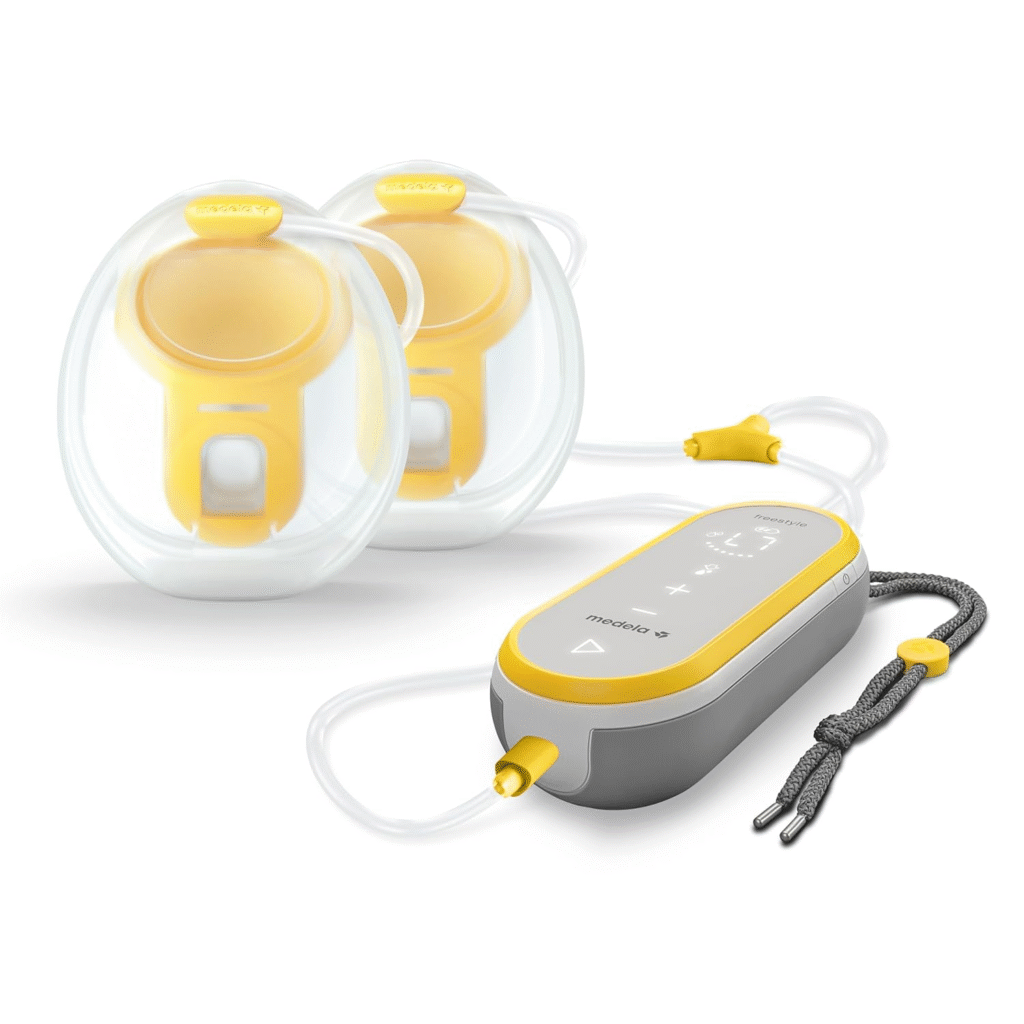
Spotlight: Medela Freestyle Hands-Free Double Electric Breast Pump
Overview: The Medela Freestyle is a compact double electric pump designed for busy parents who need performance and portability. It’s built to be used hands-free with the right accessories and is known for strong, efficient suction and a relatively quiet motor.
Key features:
- Double pumping capability for faster expression.
- Customizable suction and cycle settings to mimic baby’s nursing pattern.
- Rechargeable battery for on-the-go use.
- Small, travel-friendly design and a clear display.
- Compatible with Medela’s range of flanges and breast shields.
Why parents like it: Medela has a long-standing reputation in lactation support. The Freestyle balances power with portability — it tends to remove milk efficiently, which is helpful for maintaining supply. The settings allow many users to find a comfortable suction level.
Considerations: Hands-free use may require a pump bra or additional accessories. Some users find the Medela parts more numerous to clean than simpler wearable pumps. Replacement parts and bottles are widely available.
Spotlight: Paruu P10 Hands-Free Breast Pump
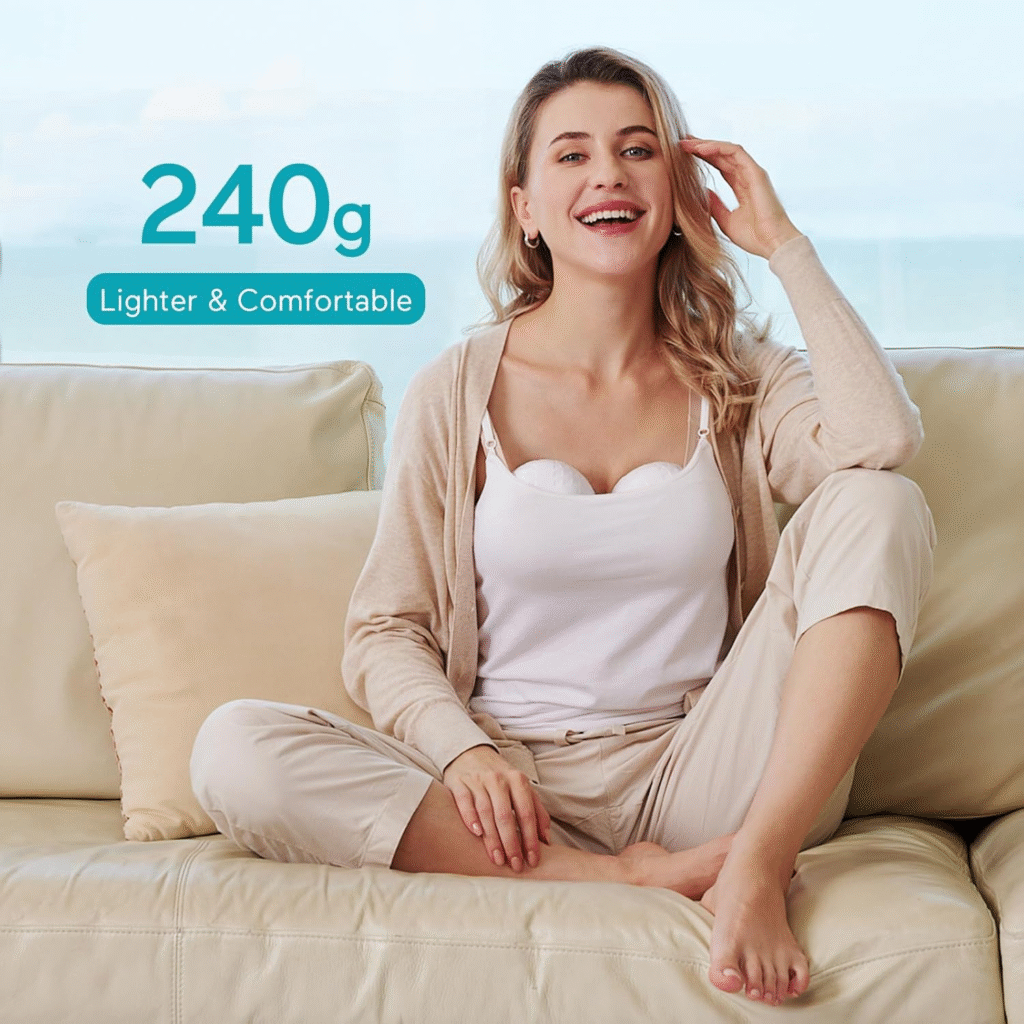
Overview: The Paruu P10 is a true wearable, hands-free pump designed to fit inside a regular bra and let parents move freely while pumping. It aims for convenience without sacrificing suction performance.
Key features:
- Fully wearable design — pump, motor, and collection bottle are integrated into a single unit.
- Quiet operation suitable for discreet pumping.
- Rechargeable battery with decent run time for multiple sessions.
- Minimal, easy-to-clean parts and a streamlined silhouette.
Why parents like it: The Paruu P10 is praised for comfort and freedom — you can pump while working, caring for other children, or walking around. Its all-in-one design reduces setup time and the number of parts to wash.
Considerations: Wearable pumps may yield slightly less volume than high-powered double electric pumps for some users; results vary. Fit is crucial — if the flange doesn’t seal correctly inside your bra, efficiency drops. Check flange sizes and return policies before committing.
Comparing the two: Which should you pick?
- For maximum efficiency and regular pumping (e.g., working parents who pump multiple times a day): the Medela Freestyle double electric pump tends to be more efficient at emptying both breasts quickly.
- For mobility and multitasking: the Paruu P10 excels at letting you move freely and saving time.
- For comfort and adjustable suction: both models offer adjustable settings, but Medela’s long history and customization options may appeal to users needing precise control.
- For cleaning and simplicity: Paruu’s fewer parts are easier to manage day-to-day.
Ultimately, the best choice depends on your pumping frequency, lifestyle, and how your body responds to each pump.
Practical pumping tips for comfort and better output
- Find the right flange size: A too-small or too-large flange can reduce milk flow and cause pain. Measure and try different sizes if needed.
- Relax and warm up: A warm compress or gentle breast massage before pumping helps stimulate let-down.
- Use the right settings: Start with a faster, gentle pulse to stimulate let-down, then switch to a stronger, slower rhythm.
- Pump regularly: To maintain supply, pump on a schedule similar to baby’s feeding times in the early weeks.
- Stay hydrated and nourished: Adequate fluid and calories support milk production.
- Practice skin-to-skin: When possible, skin-to-skin contact with your baby can boost supply and let-down.
- Keep spare parts handy: A second set of flanges and bottles makes cleaning between sessions easier.
Budget, insurance, and support
Breast pump costs vary widely. Many insurance plans cover breast pumps — check your policy for eligible models and providers. Some workplaces provide private spaces and time for pumping; know your rights and make a plan with your employer. Lactation consultants are an excellent resource if you struggle with pain, low output, or pump fit.
Final thoughts
A breast pump is an investment in your breastfeeding journey. Whether you choose the powerful, efficient Medela Freestyle or the ultra-convenient Paruu P10 wearable, prioritize comfort, fit, and real-world usability. Try to test pumps when possible — a demo or friend’s recommendation can reveal more than specs alone. With the right pump and a few practical habits, pumping can become a comfortable, manageable part of life that supports your goals and gives your baby the best possible start.